





Spare parts


List of products


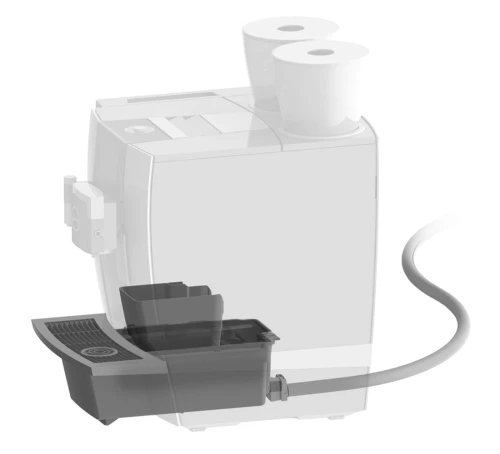
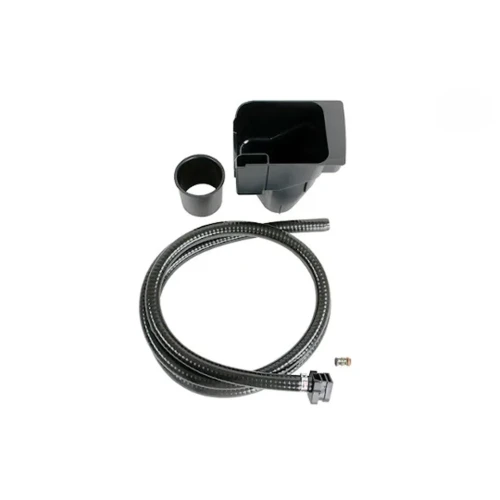

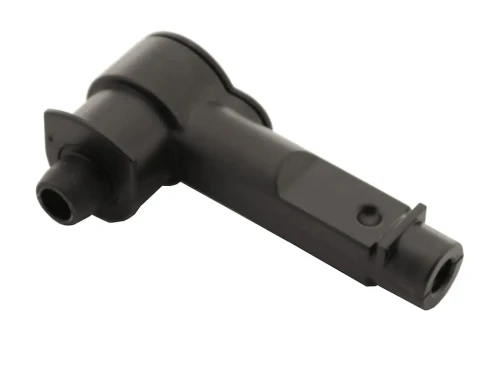
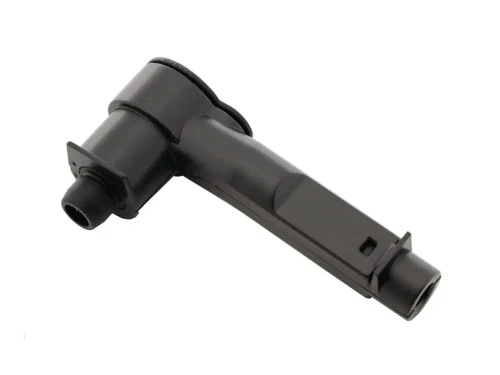


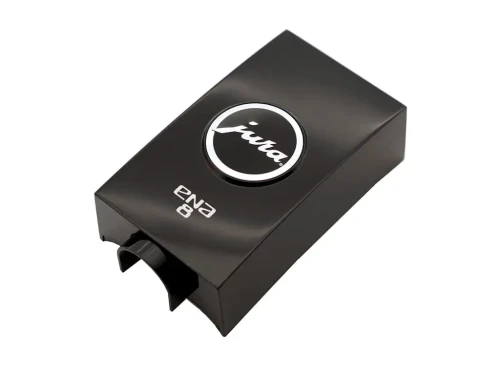
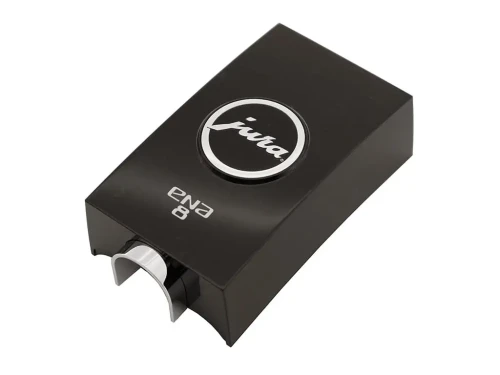

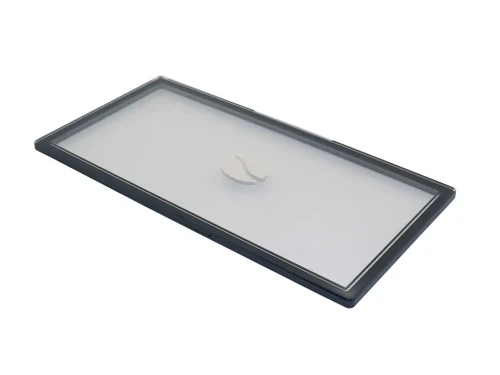
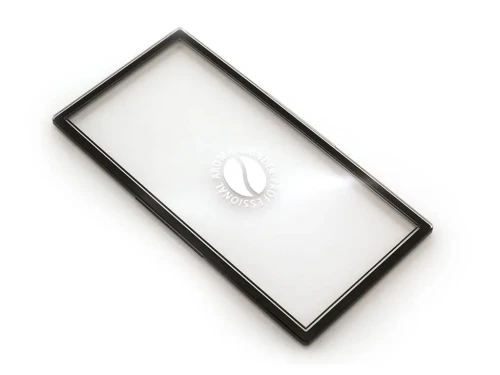


A coffee maker can last for years, but only if worn-out parts are replaced on time and are the right fit for the specific model. A leaky reservoir, a cracked drip tray, a worn-out milk frother, or a grinder that’s not grinding as well can quickly take the joy out of your daily coffee routine. In this category, you’ll find replacement parts for coffee machines that help restore your machine’s performance, ease of use, and the quality of the brew you’re used to.
At Profi Cafe, we prioritize precise part selection, which is why you can browse products not only by part type but also by machine line. This is particularly important for Jura coffee machines, where a similar model name doesn’t always mean an identical internal design. Well-chosen Jura replacement parts help you avoid mistakes, shorten repair time, and reduce the risk of further malfunctions.
How to choose replacement parts for coffee machines by model?
The coffee machine’s nameplate is helpful. It’s usually located on the bottom of the machine, on the back of the housing, or near the drip tray. That’s where you’ll find the full model designation, part number, or other information needed to precisely identify the correct part.
When selecting a part, pay attention to:
- the full model name of the coffee machine,
- the machine’s series, e.g., E, J, ENA, GIGA, or Impressa,
- the part’s catalog number, if available,
- whether the part is compatible with your machine’s version,
- the type of part: reservoir, drip tray, frother, grinder, housing component, or other subassembly.
Choosing “by eye” can be risky. Two parts may look similar in a photo but differ in mounting location, gasket size, installation method, or how they interact with the machine’s sensor. That’s why it’s important to select Jura coffee machine parts based on the specific line and model.
Jura Replacement Parts for the Most Popular Coffee Machine Lines
Jura coffee machines encompass many different lines of devices—from compact home models to larger office and professional machines. That’s why Jura replacement parts are organized by model and series, making it easy to quickly find the right part.This category includes parts for lines and models such as, among others, Impressa, A Series, C Series, D Series, E Series, ENA Series, ENA Micro Series, Giga Series, GIGA X Series, J Series, S Series, W Series, WE Series, Z Series, X Series, XJ Series, Cool Control, Milk Frother, P.A.G. Grinder, and Jura ONO.
This classification serves a practical purpose. Individual series differ in housing design, tank capacity, drip tray layout, milk system type, and grinder features. By filtering parts by model, it’s easier to find the right part for your coffee machine without having to painstakingly compare many similar products.
This is especially important when the coffee machine is used intensively at home, in the office, at a reception desk, or at a service location. Even a short downtime can be a nuisance, so properly selected replacement parts allow you to get back to your daily coffee routine more quickly.
Tanks, drip trays, and housing components in daily use
Not every coffee maker malfunction indicates a serious technical problem. Very often, parts that are constantly exposed to water, moisture, or heat—or that are removed and reinserted by the user on a daily basis—are subject to wear and tear. This group primarily includes water tanks, drip trays, and housing components.
The water tank may crack, develop a leak, or stop working properly with the valve. Even minor damage can be noticeable, as the coffee maker may operate more loudly, draw water unevenly, or indicate a lack of water even though the tank is full.
The drip tray also operates under harsh conditions. It comes into contact with water, coffee grounds, and moisture, so over time it may lose its aesthetic appeal, crack, or fail to fit properly into the machine. If the coffee maker indicates that the drip tray needs to be emptied even though it has been cleaned, the problem may involve a worn-out part or a dirty contact point.
Housing components affect more than just the machine’s appearance. Flaps, lids, covers, guides, and hinges ensure ease of use and proper protection of internal components. Replacing them often quickly refreshes the machine’s look and restores the comfort of daily use.
Milk frothing systems and grinders as factors affecting coffee quality
The taste of coffee depends on more than just the beans. The technical condition of the components responsible for grinding, extraction, and milk preparation is also of great importance. That is why milk frothing systems and grinders are among the parts that deserve special attention.
The milk system works with a product prone to protein and fat buildup. Hoses, nozzles, valves, and small gaskets can lose their elasticity over time, become clogged, or cause uncontrolled air intake. The result? The milk doesn’t froth as well as before, the foam is thin, the drink is cooler, or the machine begins to operate erratically.
The grinder affects the consistency of the grind. Worn-out burrs may grind the beans too coarsely or unevenly, resulting in coffee that is weaker, more watery, and lacking in depth. Sometimes, other signs of a problem include the grinder running louder than usual, a “no beans” message despite a full hopper, or coffee grounds with an unusual, wet consistency.
It’s worth paying attention to signs such as:
- a noticeably weaker coffee flavor despite using the same beans,
- a shorter or too-rapid brew flow,
- thin or unstable milk foam,
- louder grinder operation,
- error messages despite proper operation,
- leaks around the milk system or drip tray.
Well-chosen replacement parts for espresso machines help restore stable operation and consistent results in the cup.
What should you look for when choosing parts for Jura coffee machines?
When choosing parts for Jura coffee machines, compatibility is key. Even a minor difference in design can cause a part to not fit or to malfunction. This applies to both external parts and internal components.
Before purchasing, it’s a good idea to check whether a given part is designed for a specific line of coffee machines. A different reservoir might have a similar shape but an incompatible valve. A drip tray might have a different guide. A milk frother component might have a different connection, and a grinder part might require proper installation and adjustment.
Build quality is also crucial. Parts come into contact with water, high temperatures, pressure, coffee, or milk, so they should be durable and safe to use. For technical components, it is especially important not to install random, untested replacements.
Exercise particular caution with electrical, pressure, and heating components. If the replacement requires disassembling the coffee machine, tampering with the installation, or removing internal components, it’s best to seek assistance from a service center.
Why does matching parts by model reduce the risk of a wrong purchase?
Matching parts by model reduces the risk of error because it’s based on the actual design of the machine, not just the product’s appearance. This is especially important for coffee machines that have been produced in several versions over the years or have undergone technical changes.
In practice, this means fewer returns, fewer unnecessary costs, and less frustration. Instead of ordering a part that “seems similar,” you can choose a part specifically designed for a particular line of coffee machines. This increases the likelihood that the reservoir will fit properly, the drip tray will work with the sensor, and the milk system component will remain leak-free.
Matching parts by model is particularly important for:
- water tanks,
- drip trays,
- housing components,
- milk system parts,
- grinders and grinding components,
- subassemblies requiring precise installation.
This is a simple step that significantly increases the reliability of your purchase. If you’re unsure which part is suitable, it’s better to ask before ordering than to risk installing a part that doesn’t fit.
Original and Compatible Replacement Parts and Coffee Machine Safety
Replacement parts can be original or compatible, but in both cases, they should be chosen carefully. The most important thing is that they fit the specific model, are made of the right materials, and are suitable for use under the conditions typical of an automatic coffee machine.
A coffee machine involves water, steam, pressure, high temperatures, and electronics. That’s why the quality of parts matters not only for ease of use but also for the machine’s safety. A low-quality gasket can lead to a leak, an incorrectly selected milk system component can disrupt frothing, and a random technical subassembly can cause further malfunctions.
Genuine Jura replacement parts are the safe choice if you want to ensure compatibility with the manufacturer’s design. High-quality compatible parts can also function properly, provided they are properly selected and come from a trusted source. It is crucial to avoid generic products without a clear model-specific designation.
At Profi Cafe, you’ll find replacement parts for coffee machines organized in a way that makes it easier to narrow down your selection and find the part that fits your specific machine.
When should you replace a part yourself, and when should you use a service center?
Some parts can be replaced on your own, especially if they are external and easily accessible. This applies, for example, to water tanks, drip trays, certain trays, milk hoses, external nozzles, or simple housing components.
Replacing a part yourself makes sense when you don’t have to disassemble the machine, interfere with the pressure system, or touch any electrical components. In such cases, it’s important to ensure the part fits precisely and to install it carefully in accordance with the machine’s design.
It’s worth using a service center when the problem involves:
- the grinder or grinding assembly,
- the pump,
- the heating element or thermoblock,
- internal valves,
- electronics,
- pressure lines,
- a complex milk frothing system,
- components requiring calibration.
Such repairs require experience, the right tools, and knowledge of the machine’s construction. Attempting to fix the problem yourself may exacerbate the issue, cause a leak, or damage other components.
Profi Cafe helps you select replacement parts for your coffee machines as precisely and conveniently as possible. Thanks to the categorization by model, product line, and component type, it’s easier to find exactly what you need—no guesswork, no accidental purchases, and no unnecessary risks.
Frequently Asked Questions (FAQ)
- Does the water tank have to match a specific line of coffee machines? Yes, the water tank should be selected to match a specific line and model of coffee machine. Differences may include shape, guides, valve location, capacity, and how it interacts with the water level sensor. Even if a tank looks similar, it may not fit properly on a different machine.
- Do the milk system components need to be replaced regularly? Yes, the milk system components wear out from daily contact with milk, heat, and cleaning agents. Hoses can harden, gaskets can lose their elasticity, and nozzles and valves can become clogged with residue. Replacing them regularly helps maintain hygiene, ensure a tight seal, and ensure proper milk frothing.
- What signs might indicate that the grinder in the coffee machine is worn out? Signs of grinder wear may include louder operation, uneven grinding, weaker coffee flavor, brew flowing out too quickly, wet grounds, or a “no beans” message even though the hopper is full. If adjusting the grind setting does not improve the results, the grinder may need servicing or replacement parts.
- Are replacement parts for older coffee machine models still available? Replacement parts for older coffee machine models are often still available, especially for basic consumable components, gaskets, milk system parts, reservoirs, or select mechanical parts. Availability, however, depends on the specific model and type of part, so it’s worth checking based on the machine’s model line.
- How should you care for the milk frother to minimize breakdowns? It’s a good idea to rinse the milk frother after each use, clean it regularly with dedicated cleaning solutions, and prevent milk from drying out in the tubes. Hoses and small components of the milk system should be inspected and replaced when they harden, become dull, lose their seal, or the quality of the foam deteriorates.
Ostatnio oglądane
Free shipping on orders of 500 zł or more, and orders shipped within 72 hours

Over 20 years of experience in the industry—a family-owned business driven by passion

Lifetime Concierge Service with Every Jura Coffee Machine You Purchase
Authorized service and technical support from experts
 Log in with Facebook
 Log in with Google
